Comparison: Best Wood Cutting Board For Japanese Knives (Updated | Dec 8th)
If you’re using Japanese knives, you already know they’re precision tools that deserve the right partner in crime—your cutting board. The wrong surface can dull those razor-sharp edges faster than you can say “sushi.” But not all wood cutting boards are created equal. Spoiler: it’s not just about hardness. Let’s dive into the best wood cutting boards that keep your Japanese blades happy and your kitchen game strong.
- Best for spacious hinoki surface: Shun Cutlery Large Hinoki Cutting Board
- Best for compact hinoki board: Shun Hinoki Cutting Board – Medium – 15.75″ x 10.75″ x 0.5″
- Best for mini hinoki helper: Shun Cutlery Small Hinoki Cutting Board
- Best for maple-core hinoki: Yoshihiro Hinoki Cypress Cutting Board
- Best for scented lightweight hinoki: Hinoki Japanese Cypress Wood Cutting Board
- Best for medium kyoto hinoki: YAMASAN KYOTO UJI Japanese Hinoki Cutting Board – Medium- Natural Cypress Wood Cutting Board
- Best for small kyoto hinoki: YAMASAN KYOTO UJI Japanese Hinoki Cutting Board – Small – Natural Cypress Wood Cutting Board
- Best for synthetic edge saver: Yoshihiro Hi Soft High Performance Professional Grade Cutting Board Japanese Sashimi Chef’s Tool Made in Japan (Large)
- Best for juice-groove acacia: MITSUMOTO SAKARI Japanese Acacia Wood Cutting Board
- Best for reversible aromatic hinoki: Hinoki Cypress Reversible Wood Cutting Board
Product Comparison: Best Wood Cutting Board For Japanese Knives
Shun Cutlery Large Hinoki Cutting Board, 17.75″ x 11.75″ Large Wooden Japanese Chopping Board for Kitchen, Medium-Soft Wood Preserves Knife Edges, Forest Stewardship Council Certified

- LARGE CUTTING BOARD: The Shun Cutlery Large Hinoki Cutting Board is expertly designed to be the perfect cutting surface for any knife. Medium-soft wood “gives” as you cut, helping to preserve knife edges.
- PREMIUM MATERIALS: This Shun wood cutting board is made from hinoki, a type of Japanese cypress long-renowned for its beauty and delicate natural fragrance. Forest Stewardship Council certified for sustainable forest management practices.
- VERSATILE DESIGN: The large size and double-sided functionality of this kitchen cutting board makes it perfect for a variety of uses – from food preparation tasks to showcasing as a wooden charcuterie board at gatherings.
- CARE INSTRUCTIONS: To resist staining, dampen the board before each use. Clean with a mild detergent, towel dry, and then air dry away from direct sunlight. For stubborn stains, rub a cut lemon over the area to restore its beauty.
- JAPANESE CRAFTSMANSHIP: Each Shun knife is meticulously handcrafted in Japan, reflecting a legacy of traditional knife-making expertise and a dedication to superior quality.
Shun Hinoki Cutting Board – Medium – 15.75″ x 10.75″ x 0.5″

- MEDIUM CUTTING BOARD: The Shun Cutlery Medium Hinoki Cutting Board is expertly designed to be the perfect cutting surface for any knife. Medium-soft wood “gives” as you cut, helping to preserve knife edges.
- PREMIUM MATERIALS: This Shun wood cutting board is made from hinoki, a type of Japanese cypress long-renowned for its beauty and delicate natural fragrance. Forest Stewardship Council certified for sustainable forest management practices.
- VERSATILE DESIGN: The medium size and double-sided functionality of this kitchen cutting board makes it perfect for general-purpose tasks while remaining compact and easy to store.
- CARE INSTRUCTIONS: To resist staining, dampen the board before each use. Clean with a mild detergent, towel dry, and then air dry away from direct sunlight. For stubborn stains, rub a cut lemon over the area to restore its beauty.
- JAPANESE CRAFTSMANSHIP: Each Shun knife is meticulously handcrafted in Japan, reflecting a legacy of traditional knife-making expertise and a dedication to superior quality.
Shun Cutlery Small Hinoki Cutting Board, 10.75″ x 8.25″ Small Wooden Japanese Chopping Board for Kitchen, Medium-Soft Wood Preserves Knife Edges, Forest Stewardship Council Certified
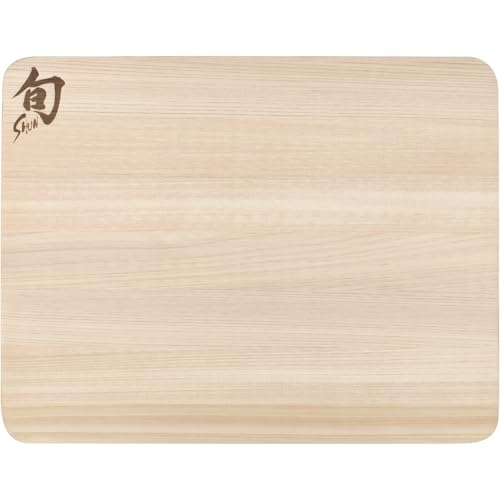
- SMALL CUTTING BOARD: The Shun Cutlery Small Hinoki Cutting Board is expertly designed to be the perfect cutting surface for any knife. Medium-soft wood “gives” as you cut, helping to preserve knife edges.
- PREMIUM MATERIALS: This Shun wood cutting board is made from hinoki, a type of Japanese cypress long-renowned for its beauty and delicate natural fragrance. Forest Stewardship Council certified for sustainable forest management practices.
- VERSATILE DESIGN: The small size and double-sided functionality of this kitchen cutting board makes it perfect for general-purpose tasks while remaining compact and easy to store.
- CARE INSTRUCTIONS: To resist staining, dampen the board before each use. Clean with a mild detergent, towel dry, and then air dry away from direct sunlight. For stubborn stains, rub a cut lemon over the area to restore its beauty.
- JAPANESE CRAFTSMANSHIP: Each Shun knife is meticulously handcrafted in Japan, reflecting a legacy of traditional knife-making expertise and a dedication to superior quality.
Yoshihiro Hinoki Cypress Cutting Board, Japanese Hinoki Wood, Knife Friendly, Professional Grade (X-Large)
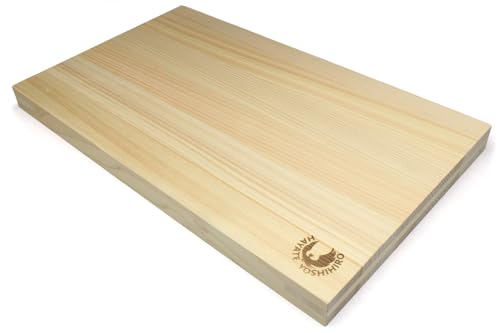
- Authentic Japanese cutting board, handcrafted from Hinoki Cypress wood
- Knife-friendly surface protects blades and helps maintain sharpness
- Maple anti-twist core prevents warping for long-lasting durability
- Naturally prevents odor absorption
- Available in three sizes: Large 15.75″ × 9.53″, X-Large 17.72″ × 10.24″, XX-Large 19.69″ × 11.81″; Thickness is 2.5cm on all sizes.
Hinoki Japanese Cypress Wood Cutting Board, Large

- Made from Hinoki (Japanese cypress) which is known to have a lovely scent
- Gentle on your knives
- Protects against knife chipping and dulling due to unique soft wood density.
- Hand wash with soap and water and dry immediately after use
- Dimensions: 15.7 x 10.6 x 1″ – Ultra-lightweight
YAMASAN KYOTO UJI Japanese Hinoki Cutting Board – Medium- Natural Cypress Wood Cutting Board, Kitchen Chopping Board, High Durability, Made in Japan (15.35×8.66×0.59 inch) (Medium)

- Hinoki
YAMASAN KYOTO UJI Japanese Hinoki Cutting Board – Small – Natural Cypress Wood Cutting Board, Kitchen Chopping Board, High Durability, Made in Japan (14.17×8.66×0.59 inch) (Small)
- Hinoki
Yoshihiro Hi Soft High Performance Professional Grade Cutting Board Japanese Sashimi Chef’s Tool Made in Japan (Large)

- Size Dimension: Large 19.6″ x 10.6″x 0.8″(50cm x 27cm x 2cm)
- A cutting board has a significant impact on knife edge durability, more so than the food itself.
- The Hi Soft cutting board is constructed to be the best cutting surface for high carbon steel knives.
- Features a high quality synthetic material specifically designed to minimize stress on your hand and impact on the blade, resulting in better edge retention and a longer lifespan for your knives.
- Allows for easy cleaning and provides odor resistance.
- Size: Small, Medium, Large, X-Large, XX-A, XX-Large, XXX-Large available. Made in Japan.
- Not made of wood. Made with LDPE Plastic.
MITSUMOTO SAKARI Japanese Acacia Wood Cutting Board, 16 × 11 in Kitchen Cutting Board for Meat Vegetables Cheese, Pure Natural Textured Chopping Board with Juice Groove

- Acacia Wood Cutting Boards: Kitchen cutting boards are made from sustainably sourced Acacia wood, known for its hardness and durability and fine grain, ensuring long-lasting performance. It has a characteristic light color and warm touch
- Surface Suitable for Kitchen Knives: Acacia chopping boards are strong and durable enough to withstand heavy daily use without compromising their structural integrity or aesthetics. They are less prone to knife marks, scratches and warping
- Juice Groove Design: The deep juice groove design is good for catching the liquid generated during cutting process, ensuring clean kitchen countertops and enhancing cooking efficiency. The ideal choice for home cooks and professional chefs alike
- Versatile Use: In addition to serving as an excellent chopping surface, these boards can be used as elegant serving trays for cheese, grilled meats, and appetizers. Their versatility allows you to transition from preparation to presentation effortlessly
- Easy Maintenance: Cleaning our Acacia wood cutting boards is a breeze! Simply wash them with mild soap and warm water after each use, then dry thoroughly before storage. Periodically applying food-grade mineral oil will help maintain the wood’s luster
Hinoki Cypress Reversible Wood Cutting Board, 17.2″ x 8″ x1.2″, Chopping Board, Bread and Cheese Board, Serving Board, Solid Single Piece, No Joint, No Glue
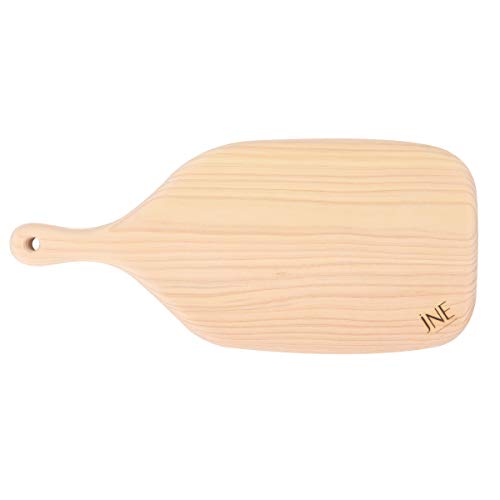
- Hinoki Wood is a species of Japanese cypress known for its delicate, natural fragrance as well as its beauty.
- Not glued, not coated, one piece hinoki cypress wood. Gentle to delicate edge of knives
- Each and every single piece of wood was carefully chosen and beautifully designed for aesthetical pleasing and style.
- Easy to clean and maintain. To avoid stains, moisten the cutting board before each use; wash with mild detergent and towel dry, then air-dry.
- Great gift idea for wedding, housewarming, bridal shower, home decor, birthday
Product prices and availability are accurate as of the date/time indicated and are subject to change. Any price and availability information displayed on Amazon.com at the time of purchase will apply to the purchase of this product.
Buying Guide
FAQs
What wood type is best for preserving the edge of Japanese knives?
Hinoki (Japanese cypress) is the most popular choice because its medium‑soft grain gently yields under the blade, reducing edge wear. It also has a pleasant natural fragrance and resists odor absorption. Boards made from other woods like acacia can be harder, which may be less forgiving on delicate high‑carbon steel edges.
How does board size affect functionality and storage?
Larger boards (e.g., the Shun Large Hinoki at 17.75″ × 11.75″) provide ample surface for big cuts and double‑sided use, but they require more countertop space and storage room. Medium and small boards are easier to store and work well for everyday prep or for limited kitchen spaces. Choose a size that matches your typical cooking volume and storage constraints.
Are there any differences in durability between the Hinoki boards and synthetic options?
Pure Hinoki boards, such as the Yoshihiro and Shun models, rely on solid wood construction and can last decades with proper care, but they may warp if exposed to excessive moisture. Synthetic boards like the Yoshihiro Hi Soft use engineered materials that resist warping and are easier to sanitize, though they lack the natural scent and aesthetic of wood. Consider whether you prioritize traditional feel or low‑maintenance performance.
What maintenance steps keep a wooden cutting board in top condition?
Always dampen the board before use, clean with mild detergent, towel‑dry, and let it air‑dry away from direct sunlight. For stains or odors, rub a cut lemon over the surface and re‑oil periodically with food‑grade mineral oil. Avoid soaking or putting the board in a dishwasher, as prolonged water exposure can cause warping or cracking.
How do price and value compare across the listed Hinoki boards?
Shun’s Hinoki boards tend to be priced higher due to the brand’s reputation and FSC certification, offering a premium finish and double‑sided design. Yoshihiro’s boards provide a similar wood quality with a sturdy maple anti‑twist core at a slightly lower price point. Generic Hinoki boards without a brand name may be the most affordable but could lack consistent quality control.
Is a double‑sided board worth the extra cost?
A double‑sided board lets you rotate the surface to avoid deep cuts wearing one side, extending the board’s lifespan and keeping a fresh cutting area. It also offers flexibility for different tasks, such as using one side for meat and the other for vegetables. If you frequently prepare large meals, the convenience often justifies the modest price increase.
Do any of these boards include features for juice management?
The Mitsumoto Sakari Acacia board incorporates a deep juice groove that catches liquids, keeping countertops clean during meat prep. Most Hinoki boards are flat, so you may need to add a separate groove or use a tray for juicy items. If juice control is important to you, look for boards with built‑in grooves or add a detachable one.
How important is FSC certification when choosing a cutting board?
FSC (Forest Stewardship Council) certification ensures the wood comes from responsibly managed forests, supporting sustainable harvesting practices. For environmentally conscious shoppers, selecting an FSC‑certified board like Shun’s Hinoki models adds value beyond performance. While it doesn’t affect the board’s cutting qualities, it reflects a commitment to ecological responsibility.