Comparison: Best Vegetables For Slow Cooker (Updated | Dec 9th)
Imagine coming home to a kitchen filled with the aroma of perfectly cooked vegetables, tender and bursting with flavor. Your slow cooker can make this dream a reality, but not all veggies are created equal when it comes to low-and-slow cooking. From hearty root vegetables that stand up to hours of simmering to delicate greens that need just the right timing, we’ve tested them all. Join us as we reveal the top vegetables that will transform your slow cooker meals from good to absolutely unforgettable.
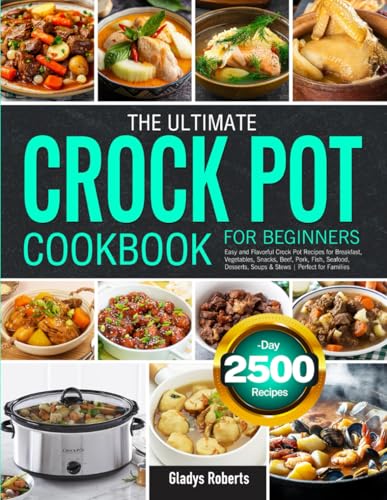
The Ultimate Crock Pot Cookbook for Beginners: Easy and Flavorful Crock Pot Recipes for Breakfast
Beginner-Friendly Recipes
- Best for beginner-friendly recipes: The Ultimate Crock Pot Cookbook for Beginners: Easy and Flavorful Crock Pot Recipes for Breakfast
- Best for flavorful stew mix: Orrington Farms Slow Cookers Seasoning
- Best for bulk stew packs: Slow Cooker Vegetable Beef Stew Mix-6 packages
- Best for no msg blend: McCormick Slow Cooker Hearty Beef Stew Seasoning Mix
- Best for bulk savings pack: Orrington Farms Seasoning Slow Cooker Veg Beef Stew
- Best for hearty stew mix: McCormick Slow Cooker Hearty Beef Stew Seasoning Mix
- Best for restaurant-quality recipes: The Stay-at-Home Chef Slow Cooker Cookbook: 120 Restaurant-Quality Recipes You Can Easily Make at Home
- Best for comprehensive recipe collection: The Complete Slow Cooker: From Appetizers to Desserts – 400 Must-Have Recipes That Cook While You Play (orWork) (The Complete ATK Cookbook Series)
- Best for easy vegan recipes: The Super Easy Vegan Slow Cooker Cookbook: 100 Easy
- Best for authentic indian dishes: The Indian Slow Cooker: 70 Healthy
Product Comparison: Best Vegetables For Slow Cooker
The Ultimate Crock Pot Cookbook for Beginners: Easy and Flavorful Crock Pot Recipes for Breakfast, Vegetables, Snacks, Beef, Pork, Fish, Seafood, Desserts, Soups & Stews | Perfect for Families
Orrington Farms Slow Cookers Seasoning, Vegetable Beef Stew, 2.5 oz Packet (Pack of 12)

- Value Pack of 12; each pouch makes approx. 8 servings
- Made with premium ingredients including onion, tomato, beef stock, garlic and pepper
- Make dinner easy with our slow cooker seasonings, perfect for any family meal
- For Vegetable Beef Stew: 1 cup water 1 pouch Orrington Farms Vegetable Beef Stew Seasoning 2 lbs beef stew meat** 2 medium celery stalks, chopped 2 medium carrots, chopped 2 medium potatoes, chopped 1-14 oz can of diced tomatoes, undrained MIX water with 1 pouch Vegetable Beef Stew Seasoning in a small bowl until completely combined. PLACE meat and vegetables in slow cooker; pour sauce over. COVER and COOK on low 8 hours or on high 4 hours until beef is tender. **Follow safe handling practices and cook meat thoroughly.
- Gluten Free; No Artificial Flavors; No Artificial Colors; Contains Sea Salt

McCormick Slow Cooker Hearty Beef Stew Seasoning Mix, 1.5 oz (Pack of 12)

- Tasty blend of black pepper, paprika and time to make a hearty, homemade beef stew
- No MSG or Artificial Flavors Added*
- Convenient seasoning blend made with McCormick Spices
- USAGE TIP: Dinner is a breeze with McCormick Slow Cooker: 8 hours on low, 4 hours on high in the slow cooker
- USAGE TIP: Meal is ready in approximately 30 minutes in your Instant Pot
Orrington Farms Seasoning Slow Cooker Veg Beef Stew, 2.5 oz

- Brought to you by Orrington Farms; High Quality; Total of 24; Save money by buying bulk; UPC:072058610746
- meat-seasonings
McCormick Slow Cooker Hearty Beef Stew Seasoning Mix, 1.5 oz
- Delicious, hearty beef stew made easy
- Zero trans fats and artificial flavors
- Low-cholesterol diet friendly
- Easy recipe – just add water, beef, carrots, potatoes and onions
- Perfect intense flavor blend of black pepper, paprika an d thyme
The Stay-at-Home Chef Slow Cooker Cookbook: 120 Restaurant-Quality Recipes You Can Easily Make at Home

The Complete Slow Cooker: From Appetizers to Desserts – 400 Must-Have Recipes That Cook While You Play (orWork) (The Complete ATK Cookbook Series)

The Super Easy Vegan Slow Cooker Cookbook: 100 Easy, Healthy Recipes That Are Ready When You Are

The Indian Slow Cooker: 70 Healthy, Easy, Authentic Recipes

Product prices and availability are accurate as of the date/time indicated and are subject to change. Any price and availability information displayed on Amazon.com at the time of purchase will apply to the purchase of this product.
Buying Guide
FAQs
What are the best vegetables to start with for a slow cooker?
Root vegetables like potatoes, carrots, and parsnips are excellent choices because they hold their shape well and absorb flavors beautifully. Other great options include onions, celery, and bell peppers, which form a flavorful base for many dishes. These vegetables become tender and delicious without turning to mush.
How do I prevent my vegetables from getting too mushy?
To avoid mushy vegetables, cut them into large, uniform chunks so they cook evenly. For vegetables that cook faster, like zucchini or peas, add them during the last 30-60 minutes of cooking. Layering is also key; place slower-cooking vegetables like potatoes on the bottom, closer to the heat source.
Should I use fresh or frozen vegetables in my slow cooker?
Both fresh and frozen vegetables work well, but they require different handling. Fresh vegetables generally hold their texture better over long cooking times. Frozen vegetables can be added directly from the freezer, but because they release more water, they are best added near the end of the cooking time to prevent the dish from becoming watery.
Which vegetables should I avoid or add later in the cooking process?
Delicate vegetables like spinach, kale, and other leafy greens should be added in the last 15-30 minutes to prevent them from overcooking and becoming slimy. Quick-cooking vegetables such as asparagus, broccoli, and mushrooms also benefit from being added later to retain their texture and flavor.
How do I compare the value of different vegetables for slow cooking?
Consider both cost and nutritional density when comparing value. Inexpensive staples like potatoes, carrots, and cabbage provide a great base and absorb flavor well. More expensive options like butternut squash or fennel can add a unique, gourmet touch, so you can balance your budget by mixing budget-friendly staples with a few specialty vegetables.
What are the key differences between using root vegetables versus cruciferous vegetables?
Root vegetables like carrots and sweet potatoes are very dense and require a long cooking time to become tender, making them ideal for the start of a recipe. Cruciferous vegetables like broccoli and cauliflower are more delicate and will turn mushy if cooked for hours, so they should be added towards the end for a brief cook time.
Do I need to brown my vegetables before putting them in the slow cooker?
While not strictly necessary, browning vegetables like onions and carrots in a pan beforehand develops a deeper, richer flavor through the Maillard reaction. This extra step adds a layer of complexity to your final dish that you can’t achieve from slow cooking alone. For convenience, you can skip it, but for the best flavor, it’s highly recommended.